Premier League
By Staff Writer — 24 September 2026
Inside the confines of Manchester City’s sophisticated data operation is a fundamental phrase its experts work towards: “What does it take to win?”
In practice, the motto is broken down into three sections: identifying players, evaluating them and assessing how the club could improve them, all with a view to enhancing the statistical probability of City winning the Premier League.
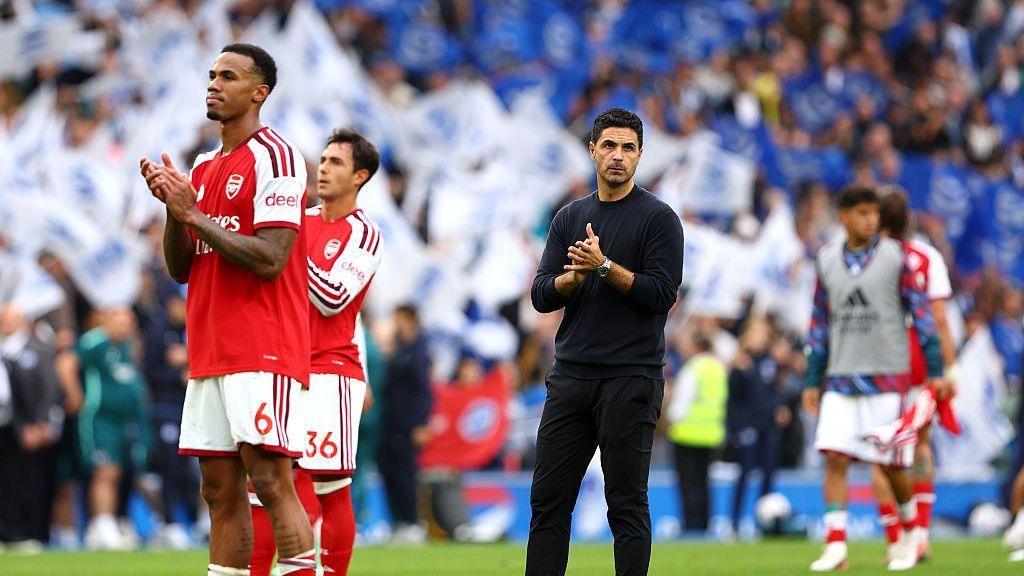
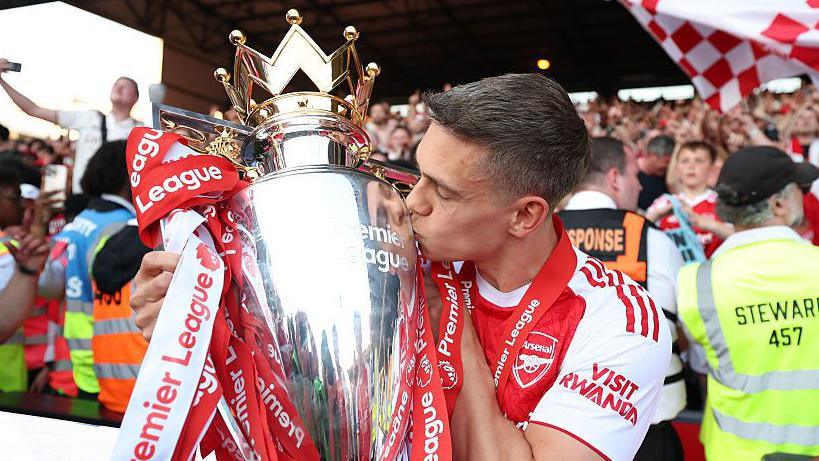
Last season, the club’s data department projected they would be there or thereabouts when it came to the title race, but their metrics indicated Arsenal were favourites to be champions. They were accurate.
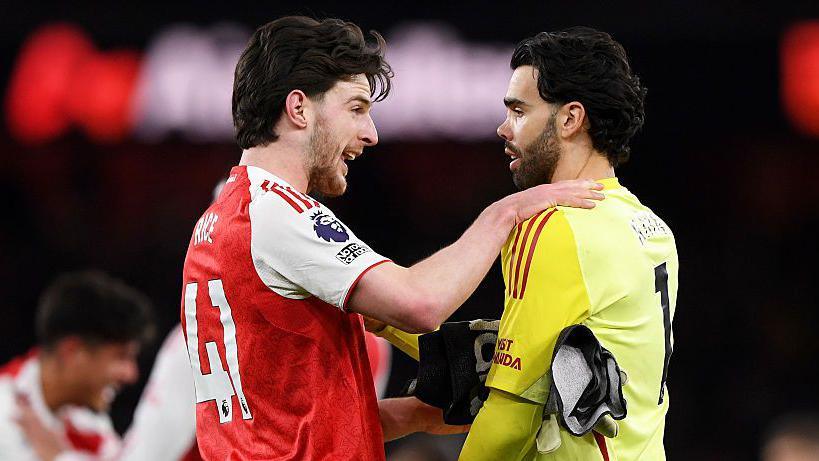
This time around, City prefer to keep their projections under wraps - but five wins from five Premier League games have prompted predictions from supporters and pundits they will again be the Gunners’ closest challengers.
City’s devotion to data is at the heart of their efforts to close the gap on Arsenal and BBC Sport has been given unprecedented access to the inner workings of the club’s metrics machine as we uncover some of the secrets guiding their work - particularly regarding player recruitment and sales.
Their work is a sign of the times in the Premier League, with clubs across the top flight and beyond increasingly using data for transfers and monitoring their teams’ performance.
At City, one of the fundamental aims is to reduce risk of any market transaction, be it a purchase or a sale.
City grade players based on overall characteristics and the system they play in at their current club and how the manager is asking him and the team to play.
Once those aspects are observed, City’s aim is to understand not just how good the player is but how good he could become at the Etihad.
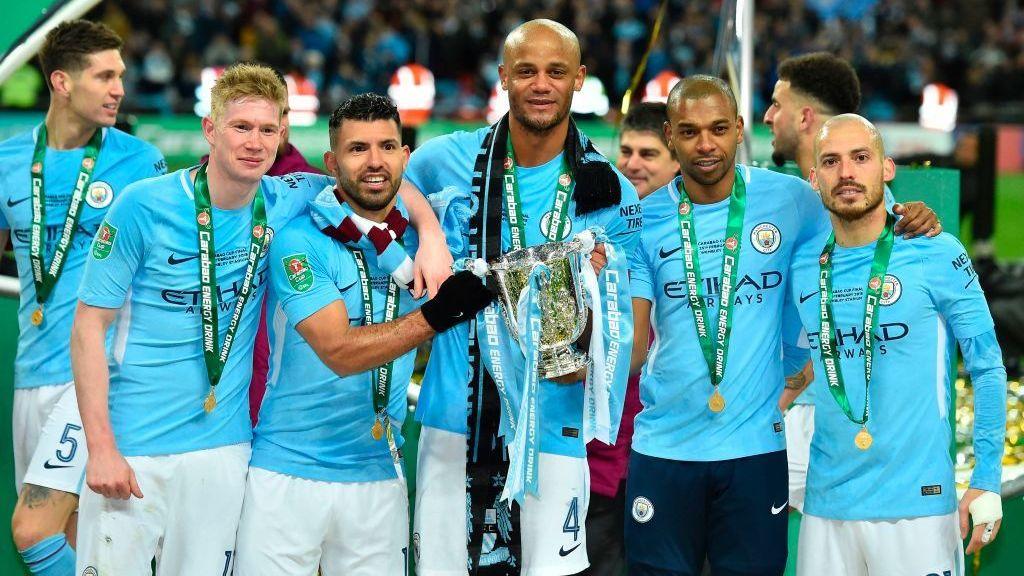
Since winning the Treble in 2023, City’s squad has undergone a vast overhaul using this approach. Only four players from that historic campaign remain.
It is crucial to stress, however, that while data has made an indefinite impact on how City operate in the transfer market, the work of traditional scouts continues to be the primary gauge of whether they decide to move for a player.
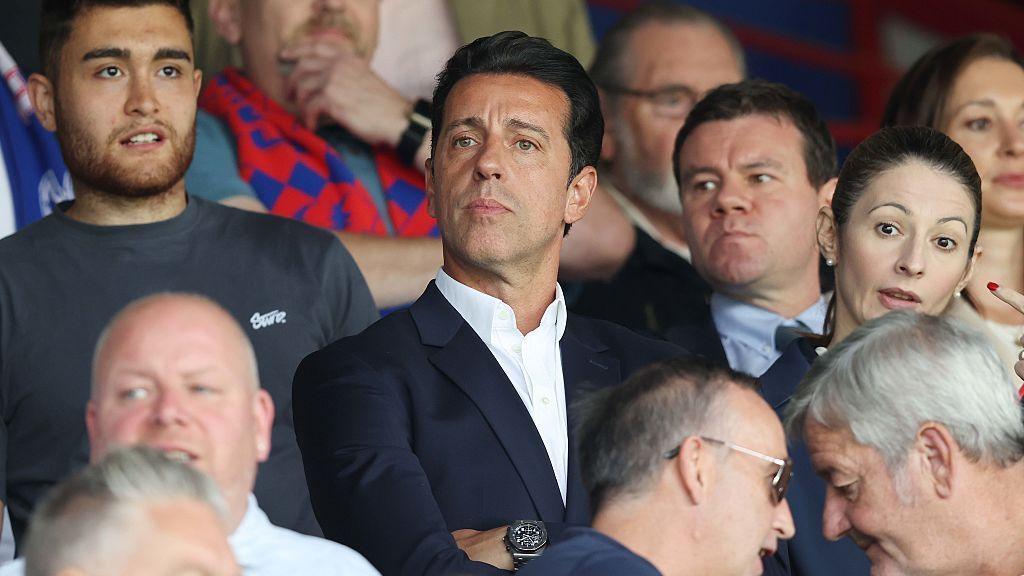
“Data plays a role in our decision-making, but it is just one part of the overall picture,” City sporting director Hugo Viana told BBC Sport.
“We know data cannot tell us everything about a player. It cannot fully show a person’s character, mentality or behaviour. That is why we study data insights but focus on the expertise of our scouts and other specialists.”
The prominence of data, however, has grown significantly behind the scenes at the Etihad.
Here BBC Sport can take you to the core of some of City’s key transfer calls from their extensive three-year squad revamp - including the £116m signing of Elliot Anderson.
The starting point for any new signing is City’s database of 650,000 footballers from around the world.
The next step is the brief: what sort of player is the club wanting to recruit. This usually starts with a position, though that process isn’t as simple as it sounds.
City, for example, categorise their full-backs into three types: those who are defensive, those who come inside, and those who play high and wide.
Once the club’s data departments have the brief, filters that grade a player’s overall ability are applied to whittle down the 650,000-man database to 20-50 names.
Juventus full-back Andrea Cambiaso is one player who has been on City’s radar after the data highlighted him, particularly his ability to coming inside to build play in midfield. That he is comfortable with both feet rated highly on the data, too.
In accordance with the data and the scouting reports it was decided the club would not proceed with their interest in Cambiaso in the previous window, but City’s approach is likely to mean he will continue to be monitored.
The longlist of 20-50 names is cross-referenced with the scouting longlist. Generally there is a significant overlap between the players identified by data and the ones already on scouts’ radar.
From there, further, more refined metrics are applied to rank and prioritise the longlist.
Scouts will then complete further diligence on the players to reduce the list to a maximum of about six players.
At this point, the club will complete deeper dives into the remaining players, including diligence on their injury record, athletic performance and behavioural habits.
The information is then collated into individual reports called acquisition packs which contain all the key metrics used to inform the decision on a player.
This includes a ‘radar chart’, which rates a range of specific on-field metrics.
For example, when Jeremy Doku was signed in 2023, then manager Pep Guardiola decided he wanted a winger who was direct, akin to Leroy Sane, because at the time they had Jack Grealish and Riyad Mahrez, who preferred to keep the ball and cut inside.
Among the criteria applied in City’s brief were the following: making (running into) the box, pressure regains, take-on percentage and opposition-half pressure.
Doku’s overall numbers ticked the boxes Guardiola was looking for, although the Belgian’s ‘making the box’ score was among his lowest readings.
Since his arrival, Doku has improved this rating - an example City say shows how their data systems are helping to improve existing players.
There is also a ‘utilisation chart’ that records how often the player has been used over a three-year period, as well as a scouting grade that indicates how highly the traditional scouts rate the individual.
Each player is also awarded an overall “current impact score” - which predicts what impression he would be expected to make immediately on signing - and a “potential impact score” that projects the contribution the player could make in the future.
Perhaps the most intriguing reading on the acquisition packs is a player’s “action value score”. This positions them in a league table that includes City players and ones from rival clubs who play in a similar role.
Once the acquisition reports are evaluated, the list is further reduced to 2-3 players once City’s valuation of the player has been factored in.
Data contributes heavily to the price range City believe a player falls in, and the valuation is never a single number.
A decision is then made on which player is the priority, though all players on the shortlist are worked on simultaneously in the event of changing circumstances, for example if a player becomes unavailable.
Indeed, being able to move according to the market is something the data team feel they have become adept at.
The sudden emergence of Yan Diomande last season led to City completing checks on him before he joined Real Madrid from RB Leipzig.
The club also paid close attention to Eduardo Camavinga’s metrics in case Real decided to sell a midfielder.
Anderson was an obvious signing for a top Premier League club. The 23-year-old had developed into a key player for Nottingham Forest. An added appeal was the fact he is English, and had cemented his position in the national team.
City fought off other top clubs, including Manchester United, to sign him.
But the way City analysed it underlines their incredibly forensic approach even when, outwardly, it might be considered they did not need to be so comprehensive given Anderson’s obvious talents.
The fact they still used their algorithm and went through all their normal steps says a lot about elite football in the modern day - and also the limitations of data alone.
That is because - perhaps surprisingly - Anderson’s metrics didn’t necessarily catch the eye.
At the start of last season, despite emerging uncertainty over Guardiola’s future, the club knew they would be in the market for at least one central midfielder come the summer.
They knew Bernardo Silva was leaving while there were doubts over the futures of Rodri and Nico Gonzalez.
There was an acknowledgement that replacing Silva and Rodri like-for-like would be virtually impossible, so they looked for a player who was equally adept at building play from either deep or high central midfield.
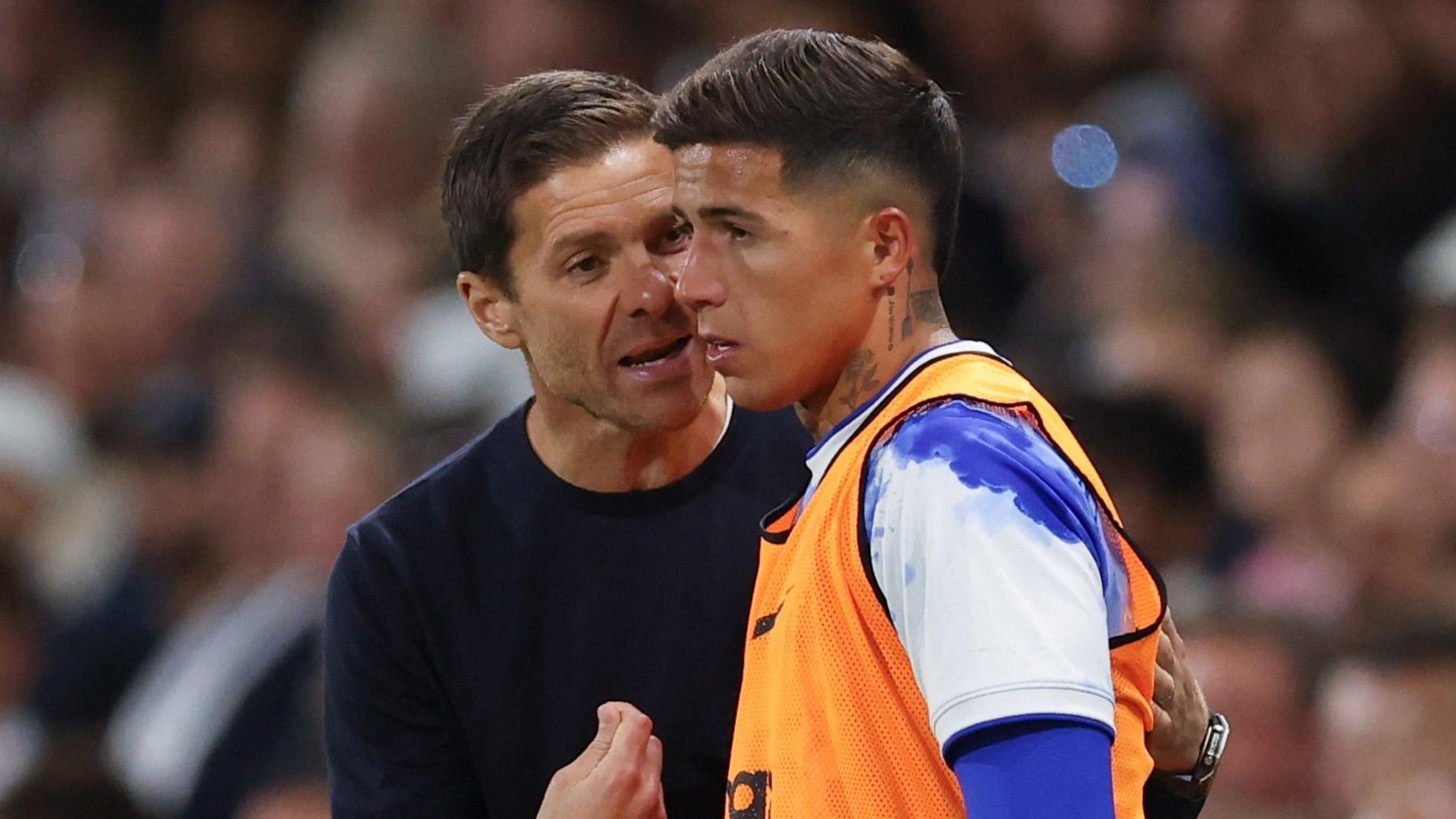
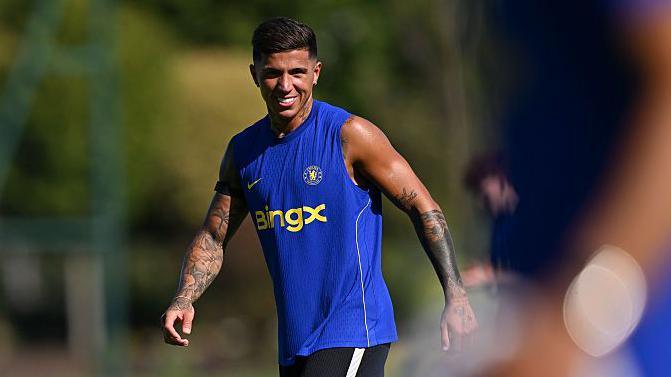
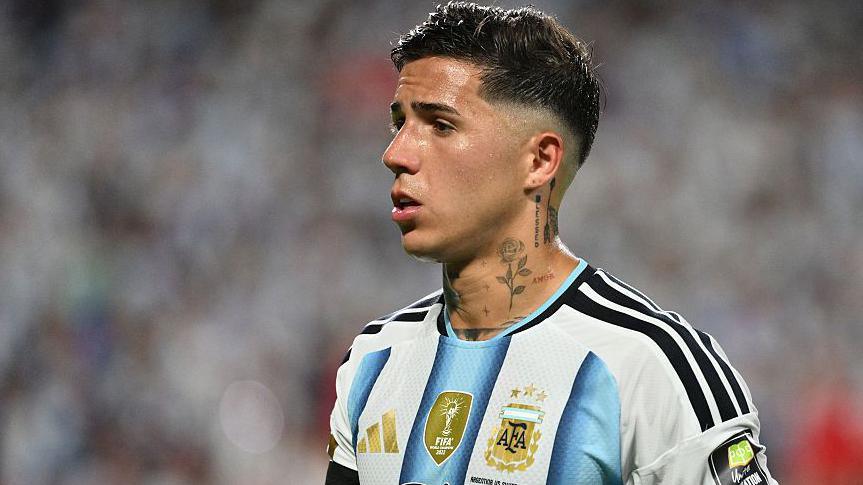
As last season developed, doubt also emerged over the future of Tijjani Reijnders - but Enzo Fernandez was viewed as the favoured replacement for the Dutchman.
Anderson made the initial cut from the 650,000-man database to the longlist - but was not high in that group. However, his metric readings didn’t immediately scream out the “no-brainer” he ultimately became.
As City took a closer look, there was an acknowledgement Anderson’s case does highlight some of the limitations of data.
Anderson did not score lots of goals for Forest, or consistently provide assists. Because, generally speaking, Forest aren’t a possession team like City, his general metrics in their algorithm did not grab the attention.
With that in mind, City’s data analysts had to consider that, because Anderson was generally playing closer to his own goal than he would at City, he wasn’t getting the opportunities to impress in the final third of the pitch.
So they paid close attention to what he was doing at Forest and modelled his potential role in a City team that generally plays closer to the opposition’s goal, dominates possession and has more elite players.
Among the criteria graded on Anderson’s ‘radar chart’ were defensive regains, duel success, line-breaking passes, aerial-duel success and defensive errors.
With his reading for defensive errors, it was acknowledged that, because Forest were a transitional side, some were a result of the area of the pitch in which he was asked to operate.
He may, for example, have regained possession deep inside his own half but lost the ball because he had to play a longer and a riskier pass after being asked to play forward quickly.
In the same scenario at City, it is anticipated Anderson would have options to play a shorter pass with a greater success rate.
“Just because a player doesn’t have the opportunity to perform a particular action on a regular basis because of the team he is playing doesn’t mean he can’t do it,” said a source.
Anderson’s data readings improved significantly as the season developed, which compelled the club’s scouts to watch him on a regular basis.
He stood up very favourably against City’s existing midfielders - and a list of rival players the club had identified as possible signings in that area.
The results of the diligence completed by City’s data team, scouts and other experts meant that even though Anderson’s price increased beyond what City believed was his true valuation, they felt the risk was low.
“Elliot Anderson is a great example of how the process works,” Viana said. “The data was positive for Elliot and gave us real confidence in his profile, but it was the insight from our scouts and wider performance team that helped us understand the player and his attributes and this proved our belief that he was the right fit for the club.”
BBC Sport was also provided with fascinating insight into how data was used to sign Julian Alvarez from River Plate for £14m in 2022.
The initial recommendation came from scouts, and given Alvarez was not a player originally identified by his metrics, the data team had to take a closer look.
Because the Argentine league isn’t recognised as one of the strongest globally, City’s general data settings mean players will reach a natural ceiling with their readings in comparison to those playing in one of Europe’s top five divisions.
So, City dug deeper into Alvarez’s stats, and his impact on both the ball and River’s scorelines.
The stats showed he was by far the best player in the Argentine top flight, and City believed they had enough evidence to say he would develop into a starter for a top-half club in one of Europe’s top five leagues within two-and-a-half years.
The data model valued Alvarez between £26m and £40m. City signed him for £14m so believed they were signing an undervalued player.
Alvarez’s projected value was £70m after three years. They eventually sold him to Atletico Madrid in 2024 for £81m.
The signing of Abdukodir Khusanov from Lens also provides intriguing insight into City’s reliance on data.
The 22-year-old didn’t initially make City’s 50-man longlist, but on closer inspection they found while his output on the ball needed to improve, his physical data - for example his covering runs behind - was through the roof.
Khusanov’s on-the-ball metrics, City say, have improved significantly since he signed in January 2025.
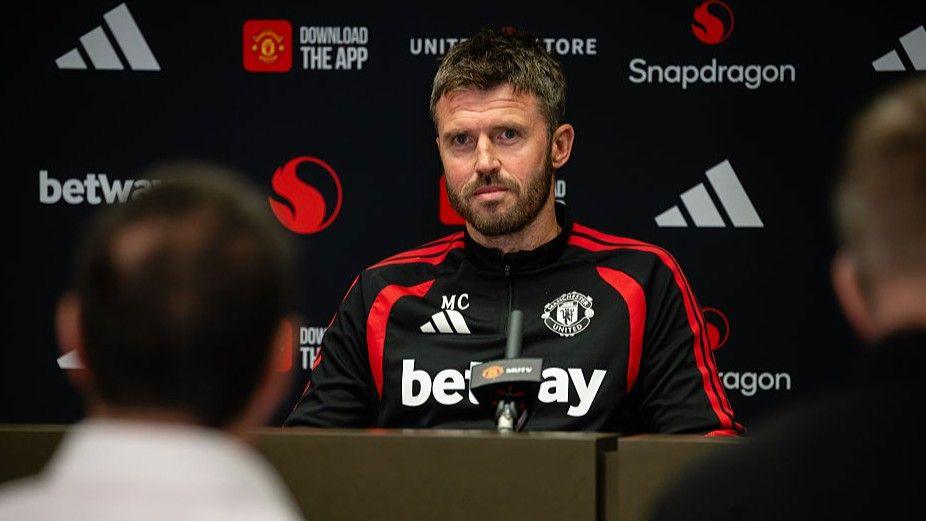
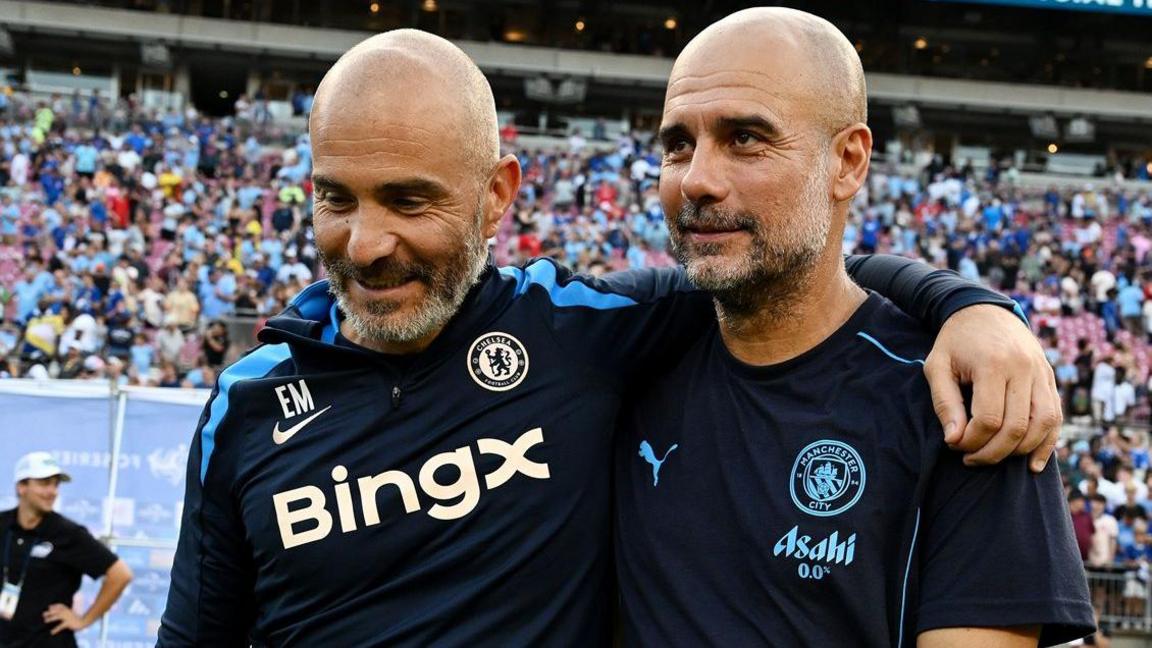
The departure of Guardiola and the arrival of Enzo Maresca is not expected to alter the club’s approach significantly.
The key metrics Maresca looks for in a player are understood to be very similar to Guardiola’s, with the notable difference that the Italian prefers his full-backs to be more direct.
Rooted in City’s coach recruitment process is a certain team philosophy and way of playing, with any new manager expected to produce a side that is possession dominant, can press high, regain possession high up the pitch, produce quality chances and entertain.
That philosophy was designed before Guardiola’s appointment, and the Spaniard produced the purest form of City’s footballing ideology.
With that in mind, the change in manager has not drastically altered the way City’s data department approach their work.
Maresca will continue to work closely with them as he looks to build his own dynasty - but much of the hard work in building a squad to last is complete.
Before City’s Treble-winning season, the internal data indicators were such that the club knew they would soon need to overhaul a squad that had reached its peak.
Selling players such as Kevin de Bruyne, Kyle Walker, Riyad Mahrez and Ilkay Gundogan wasn’t easy given their illustrious service and the fact they were still performing at a very high level.
Data, though, allows the club to spot declining trends well in advance - often two or three years - before a player is offloaded.
Those particular metrics help City identify when the right time is to sell a player - perhaps even before the buying club have spotted a drop in performance.
And when those trends are identified, the club can plan well in advance.
From there the club decide whether to start embedding a player from the academy or enter the market to replace.
Ayyoub Bouaddi’s arrival from Lille this summer is a prime example. At 18, City realise he isn’t necessarily going to have a profound impact this season - but the club believe the Moroccan will be able to make a bigger contribution within two years.
After the Treble season, the recruitment remit at City was to lower the average age of the squad and build a set of players that could deliver sustained success.
But doing that at City comes with a catch. Because at City, the team are always expected to compete for trophies.
Lowering the age of a squad is one thing; doing so while continuing to win is far more complicated.
In previous years, for example, City’s data systems identified former Brighton trio Moises Caicedo, Marc Cucurella and Carlos Baleba, who have been lauded as data successes.
But there was a sense at City that the development of such signings would take too long for them to make an impact on a team that has the remit of winning titles or assets that could be developed and sold for a profit.
City have successfully lowered the average age of the squad to the extent they now have the third youngest set of players in the Premier League behind Newcastle and Chelsea.
But with the signings of goalkeeper Gianluigi Donnarumma, defender Marc Guehi, and Fernandez and Anderson they have added players who can not only grow with that new generation but also already have vast experience of top-level football.
City’s data indicates their current squad will not peak for another two to three years - but also projects they are likely to be among the title challengers this season.
Time will tell if they are right.