Arteta's conscience clear over Man City charges
Premier League

Arteta's conscience clear over Man City charges

By Staff Writer — 9 October 2026

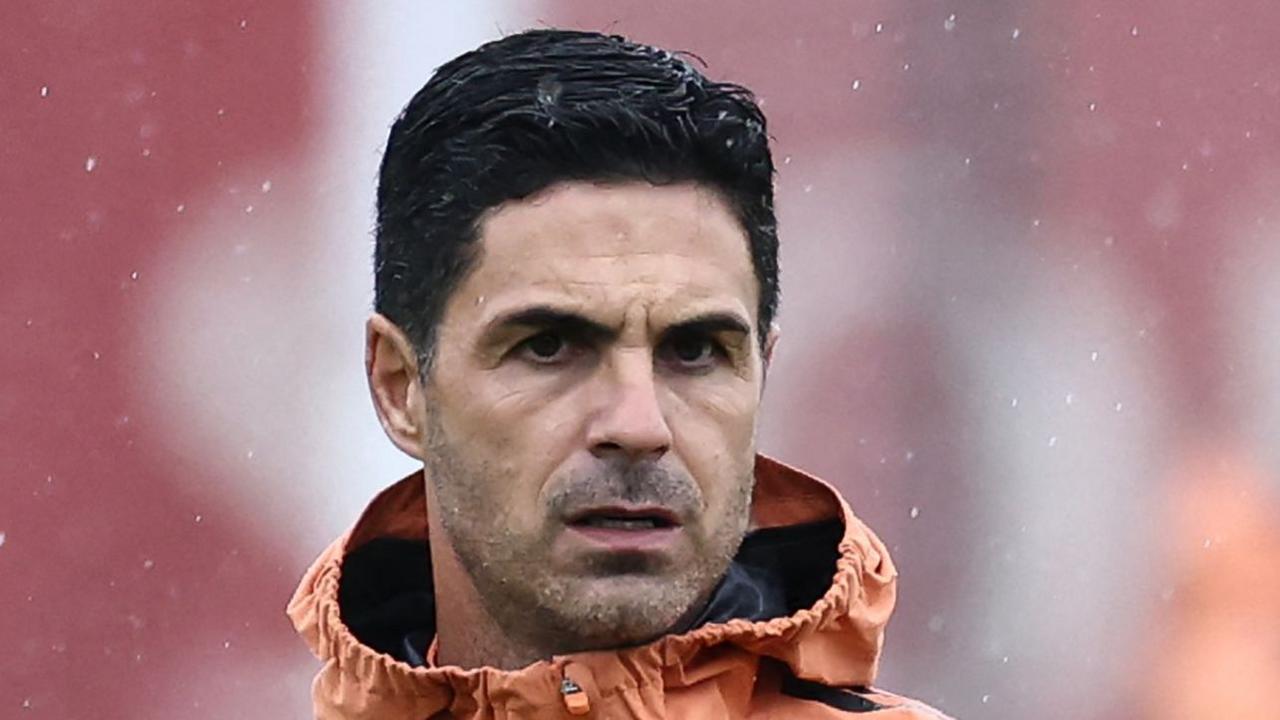
Mikel Arteta says his conscience is clear over Manchester City’s Premier League rule breaches during a period when he was assistant manager at the club.

The Arsenal boss worked under Pep Guardiola between 2016 and 2019, which overlapped with the nine seasons during which City have been found to have broken rules and disguised secret funding of more than £830m.

In his first news conference since the ruling - which the club has appealed - Arteta attempted to bat away questions, saying he wanted to “respect” the ongoing process.

However, towards the end of more than half an hour of questioning, he was asked: “You were at City for three and a half years, is your conscience clear? You had a senior position there, is your conscience clear?”

Arteta answered: “Yes”.

His answer was one word, but it was arguably the most revealing part of the whole interaction.

It was the only occasion where the Spaniard did not in some way revert to his messaging about not giving opinions on the case until such a time as there is a resolution.

Arteta was at no point combative, but it was clear he arrived at Arsenal’s training ground with a response he was determined to stick to.

Asked if he had spoken to Guardiola, he added: “I prefer not to answer those questions.”

Arteta was asked for his reaction to the damning report from the independent commission, which found City had arranged “sham contracts” with a number of commercial partners to disguise earnings.

He said: “I fully understand the question, but obviously I think it’s very important that we respect the process, the timelines, and it’s still an ongoing process that is not resolved because it’s been appealed. My position, and I think the club’s position, is not to make any further comments until this is fully resolved.”

When asked if he thought, that to preserve the integrity of the Premier League, the appeal and sanction needed to be resolved this season, he replied: “The people are responsible to manage this process and to come to the right conclusions and I’m sure it will be done and it will be resolved in the right way. We have to trust that.”

Arteta also added he “100%” believed the Premier League remains the best in the world.

Arsenal, who sit three points behind league leaders City, face fifth-placed Leeds on Saturday at Emirates Stadium.

Barnsley sign ex-Preston midfielder Johnson
Transfers

Barnsley sign ex-Preston midfielder Johnson

By Staff Writer — 9 October 2026

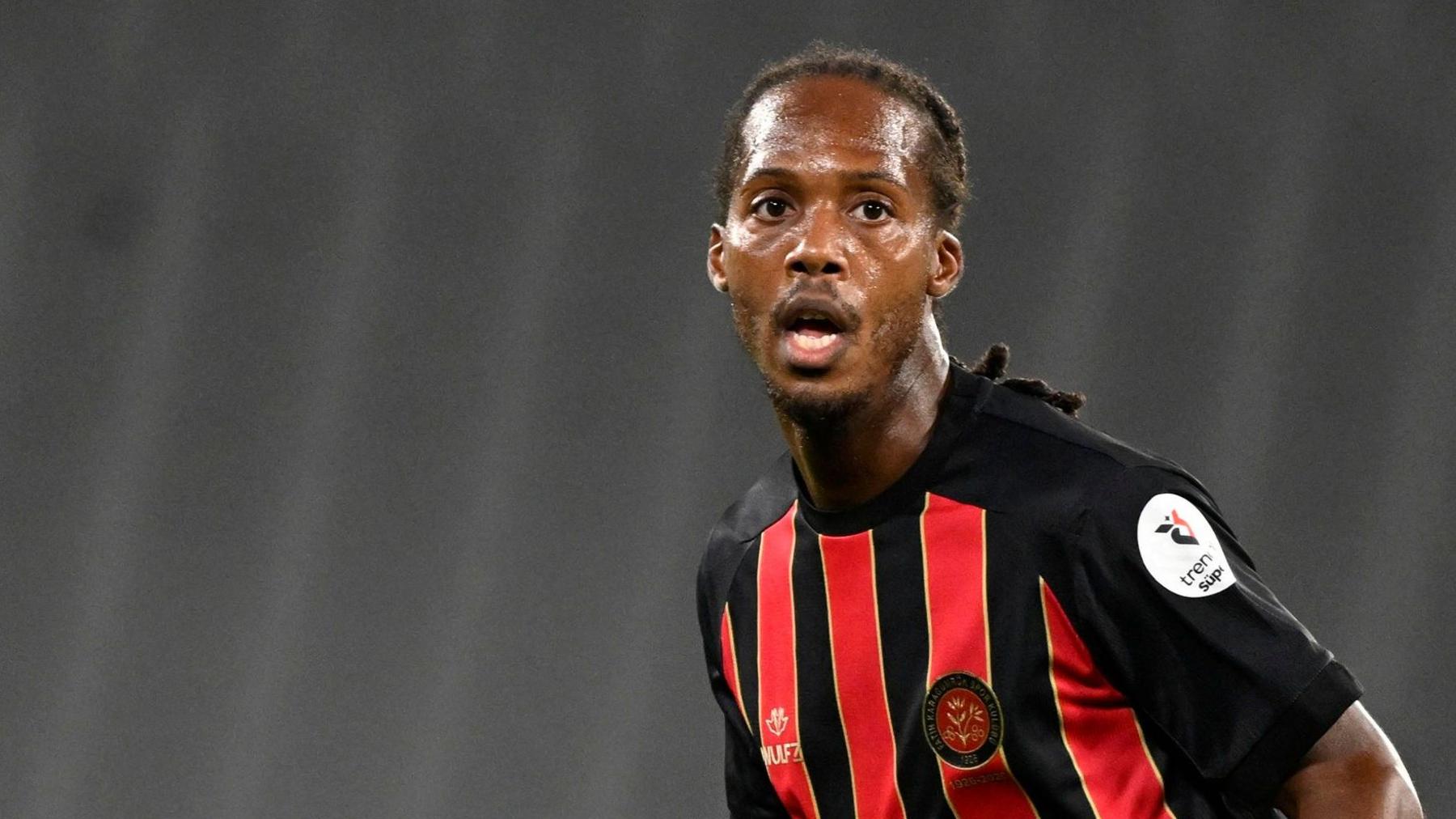
Barnsley have signed former Preston North End and Stoke City midfielder Daniel Johnson for the remainder of the season.

The former Jamaica international, 34, has been recruited as a free agent after initially spending time with the Tykes on a trial basis.

Johnson had been without a club after leaving Turkish side Fatih Karagumruk in the summer.

The midfielder, who came through Aston Villa’s academy, spent eight years of career at Preston where he made more than 330 appearances across all competitions.

Barnsley head coach Daniel Stendel says Johnson adds “great experience” to his side.

“We have a young squad, so players like Daniel who have experienced a lot in football can benefit our younger players and help their development,” Stendel told the club website.

Barrow midfielder Earing joins Hartlepool on loan
Transfers

Barrow midfielder Earing joins Hartlepool on loan

By Staff Writer — 9 October 2026

Hartlepool United have signed Barrow midfielder Jack Earing on an initial short-term loan.

Earing, 27, will be with the Pools for at least one month working under head coach Pete Wild, as he did earlier in his career at Halifax Town.

The midfielder joined Barrow from Walsall in the summer of 2025 and played 32 times last season, but he has not featured at all for the Bluebirds in the National League this campaign.

Hartlepool bring in defender Clark
Transfers

Hartlepool bring in defender Clark

By Staff Writer — 9 October 2026

Hartlepool United have signed defender Max Clark on a deal running until January.

Clark, 30, was a free agent after leaving Gillingham, where he had played more than 100 games, in the summer.

His career has taken him around the EFL as well as spending almost three years in the Netherlands with Vitesse Arnhem.

He is the second player signed by head coach Pete Wild after midfielder Jack Earing and is available for Saturday’s trip to Forest Green Rovers (17:30 BST).

How do Spanish clubs become 'Real' or 'royal'?
La Liga

How do Spanish clubs become 'Real' or 'royal'?

By Staff Writer — 9 October 2026

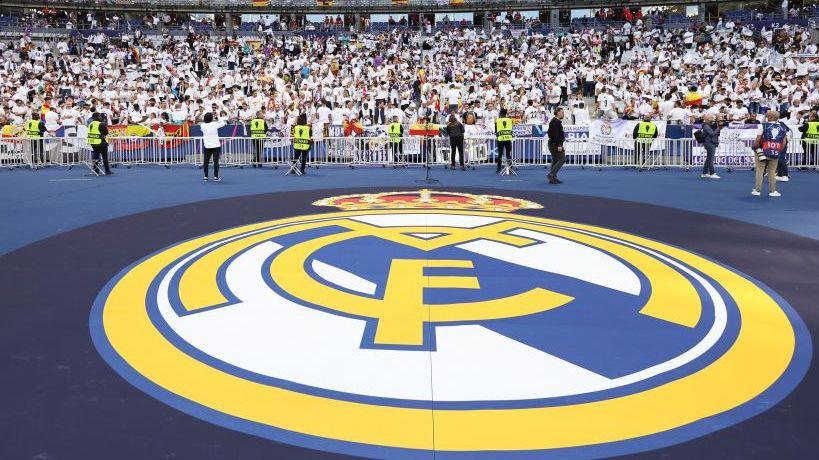
Real Madrid went from Madrid Football Club to Real Madrid in 1920 after King Alfonso XIII granted the club the right to use the title ‘Real’

You will have heard the names of Spanish clubs like Real Madrid, Real Sociedad and Real Betis.

But what does the word ‘Real’ actually mean?

It’s translated simply to ‘Royal’ and it is not just a decorative addition to a club’s name, or a title awarded to clubs for winning trophies.

It is a historic distinction connected to Spain’s monarchy and one that has been carried by some football clubs for more than a century.

The top two Spanish divisions currently feature 11 clubs who carry the royal designation in their names.

In La Liga, they are Real Madrid, Real Betis, Real Sociedad, Real Racing Club, Real Club Celta de Vigo, Real Club Deportivo Espanyol and Real Club Deportivo de A Coruna.

In the second tier, they are Real Club Deportivo Mallorca, Real Oviedo, Real Sporting de Gijon and Real Valladolid.

The story goes back to the reign of King Alfonso XIII, who took an interest in the rapidly developing sport of football.

The first Spanish football organisation to receive the distinction was Real Club Deportivo de A Coruna.

The club’s own history says Alfonso XIII granted it the title of ‘Real’ in 1909, while he also accepted the honorary presidency, which was the most direct way to earn the royal title.

A crown was added to the club’s badge providing a visible symbol of its new royal patronage.

Real Sociedad, based in San Sebastian, was the next to get the seal of approval, in 1910. The distinction carried particular significance in the city on the north west coast of Spain because it was where the royal family regularly spent their summers. The club is also known as ‘La Real’.

Espanyol received the honour in 1912, becoming Real Club Deportivo Espanyol and Real Sporting also traces its title to 1912, after Alfonso XIII accepted the honorary presidency of the Gijon club.

The practice continued through the early 20th century as football rapidly expanded across Spain.

As clubs became established in cities and regions around the country, royal patronage gave some extra prestige. Receiving the ‘Real’ title could strengthen their social standing while establishing a connection with the country’s monarchy.

And then came perhaps the most famous example of all.

Real Madrid was founded in 1902 as Madrid Football Club.

But in 1920, Alfonso XIII granted the club the right to use the title ‘Real’, with a letter from the monarch’s household formally giving the club permission to place the designation before its name. The royal crown was subsequently incorporated into its crest.

There is no sporting qualification needed to become ‘Real’. A club does not become ‘Real’ by winning La Liga, lifting the Copa del Rey, reaching Europe or being promoted to the top flight.

Historically, clubs sought royal patronage and the monarch could grant the designation. Modern examples show that some form of formal request and supporting case can still be made.

That process was demonstrated by Club Deportivo Gara in the small town of Garachico in Tenerife. They play in a league seven tiers below La Liga.

During its centenary celebrations in 2012, the club sought royal recognition. In June that year, the royal house granted the title, allowing the club to become Real Club Deportivo Gara.