Breaking down Chelsea's staggering 39 summer exits
Premier League

Breaking down Chelsea's staggering 39 summer exits

By Staff Writer — 3 September 2026

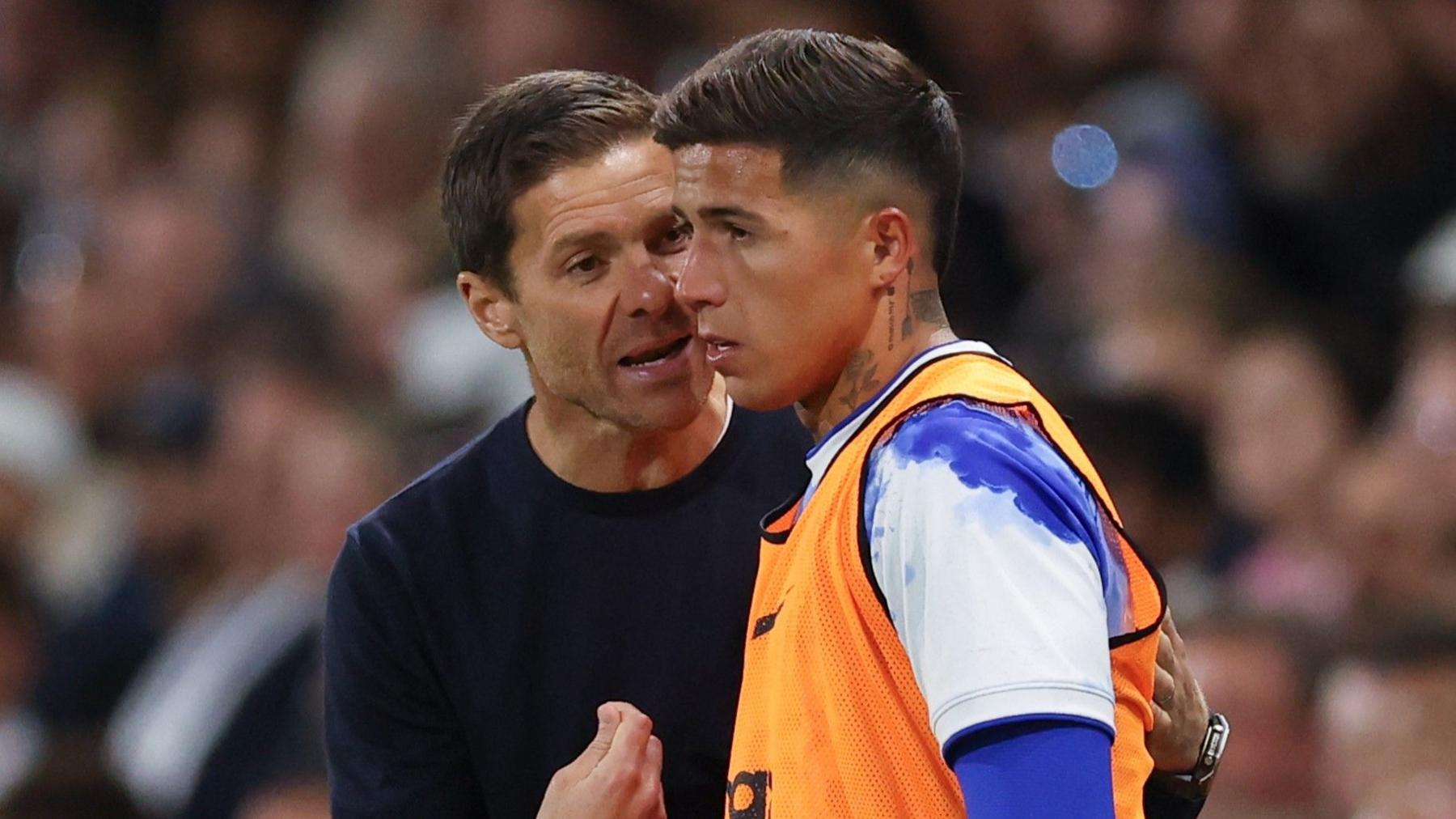
Enzo Fernandez left Chelsea for a joint-British transfer record fee of £125m on Tuesday

Chelsea have had a few remarkable transfer summers since their forced sale from Roman Abramovich’s control in May 2022.

Once again they were big spenders, outlaying £349m on 11 signings such as Morgan Rogers, Maxence Lacroix and Emiliano Martinez.

But there was something different this time.

Chelsea actually made a trading profit after selling 17 players.

Another 22 were loaned out, four of those with either sell-on options or obligations totalling more than £140m.

It meant a staggering 39 players left the club - and that is not including the four young players who were released.

And, remarkably after all that, the Chelsea website still lists a first-team squad on their books of 30 players.

Here, we break down the Blues’ remarkable summer of 50 deals, focusing on their 39 sales.

Chelsea’s internal figures suggest the club generated more than £500m in player departures during the summer window.

This includes loan fees and is a total that would represent a world record.

Earlier this week BBC Sport’s calculations, carried out by FootballTransfers.com founder Paul Macdonald, put the incomings at £349m and the outgoings at £382m.

That figure did not include any potential loan option/obligation fees, or future clauses which are dependent on achieving certain targets.

Chelsea estimate they have made a profit of about £120m on transfer activity.

Whichever way you add it up, their summer represents a staggering, record-breaking period of player trading in European football.

Among the 39 players sold or loaned out were Enzo Fernandez, whose £125m move to Manchester City matched the British transfer record, and Senegal striker Nicolas Jackson, who joined Aston Villa for £65m.

Spain full-back Marc Cucurella moved to Real Madrid for £51.8m, while Liam Delap and Andrey Santos were each sold in deals worth around £50m.

In fact Chelsea had five sales above £40m, or seven if you include two loans that have a £75m option (Mykhailo Mudryk to Tottenham) and a £43m obligation (Alejandro Garnacho to Villa).

To put that into context, there were four £40m-plus signings in the whole of Serie A, two in La Liga and four in the German Bundesliga.

What has been stark is Chelsea’s willingness to do business with Premier League clubs, including their rivals.

Arsenal are the ‘big six’ club to have signed the most Blues players under the current ownership, recruiting Noni Madueke, Kai Havertz and Kepa Arrizabalaga among others.

Chelsea have also completed eight deals with Aston Villa in four years - a figure matched only by the number of Brighton players who have moved to Stamford Bridge during the same period.

They also did business with Tottenham for the first time in 17 years when winger Mudryk joined Spurs on loan.

It was also the first loan move between the clubs in 34 years.

Yet again there were more deals with sister club Strasbourg this summer - two transfers and three loans.

Does this all show Chelsea’s recruitment strategy, which has attracted significant criticism over the years, has finally started to deliver, at least financially?

Or has it been a sign of sorting out the transfer chaos of the first four years under Todd Boehly and Clearlake Capital?

For most of their tenure, the strategy centred on signing young players to long-term contracts and rapidly rebuilding a squad largely inherited from the Abramovich era - a process that initially came at considerable expense.

Spending on transfer fees has overall significantly exceeded income from player sales - and the club subsequently breached Uefa’s financial controls, resulting in a fine and a settlement agreement.

Chelsea also controversially remained within Premier League financial regulations after selling assets, including two hotels and the women’s team, to companies within the club’s ownership structure.

Since then, they have increasingly focused on trying to balance their spending by generating significant transfer income.

Before this summer, Chelsea had already recorded sales total of £236m, £178m and £289m in successive summers.

Put simply, Chelsea have spent almost £2bn across nine transfer windows, but have generated more than £1bn through player sales in this time.

Chelsea’s chastening 8-2 Champions League defeat by Paris St-Germain last season was a turning point.

The discontent that had simmered behind the scenes - and in the stands - became harder to ignore.

Players, including Fernandez and Cucurella, publicly questioned aspects of the club’s direction, while supporter protests reflected a growing sense of frustration during a difficult period on and off the pitch.

A 10th-placed Premier League finish last season only intensified scrutiny amid a growing acknowledgement within the club that change was needed.

Senior figures began speaking to experienced players to gather feedback with the aim of addressing some of the concerns.

Some like Fernandez were unconvinced and pushed to leave, but Moises Caicedo, Reece James and Joao Pedro renewed their contracts.

Influential co-owner Behdad Eghbali also publicly acknowledged the need to “tweak the model”, improve decision-making and learn from mistakes.

Chelsea appointed Xabi Alonso as manager, believing he had the profile and authority to command the dressing room.

Recruitment was also reassessed.

Previous managers had highlighted shortcomings within what had been the Premier League’s youngest squad for two consecutive seasons.

Those concerns ranged from a poor disciplinary record and difficulties defending set-pieces to lapses in concentration, inconsistent finishing and, ultimately, inconsistent results.

Sources around the club have also described a dressing-room culture affected at times by high turnover, with some feeling the pace of change became too rapid and relationships too transactional.

The arrivals of Jordan Henderson, Danny Welbeck and Argentina keeper Martinez, the oldest players Chelsea have signed since Pierre-Emerick Aubameyang in 2022, are intended to bring experience and leadership to a youthful group.

Rogers and Lacroix have also arrived with proven Premier League pedigree and physical presence, although the club’s commitment to recruiting elite young talent remains unchanged.

The adjusted approach amounts to an acknowledgement that elements of the previous strategy fell short, while retaining the principles that have enabled Chelsea to generate significant transfer profits.

Whether it leads to success on the pitch this season remains to be seen.
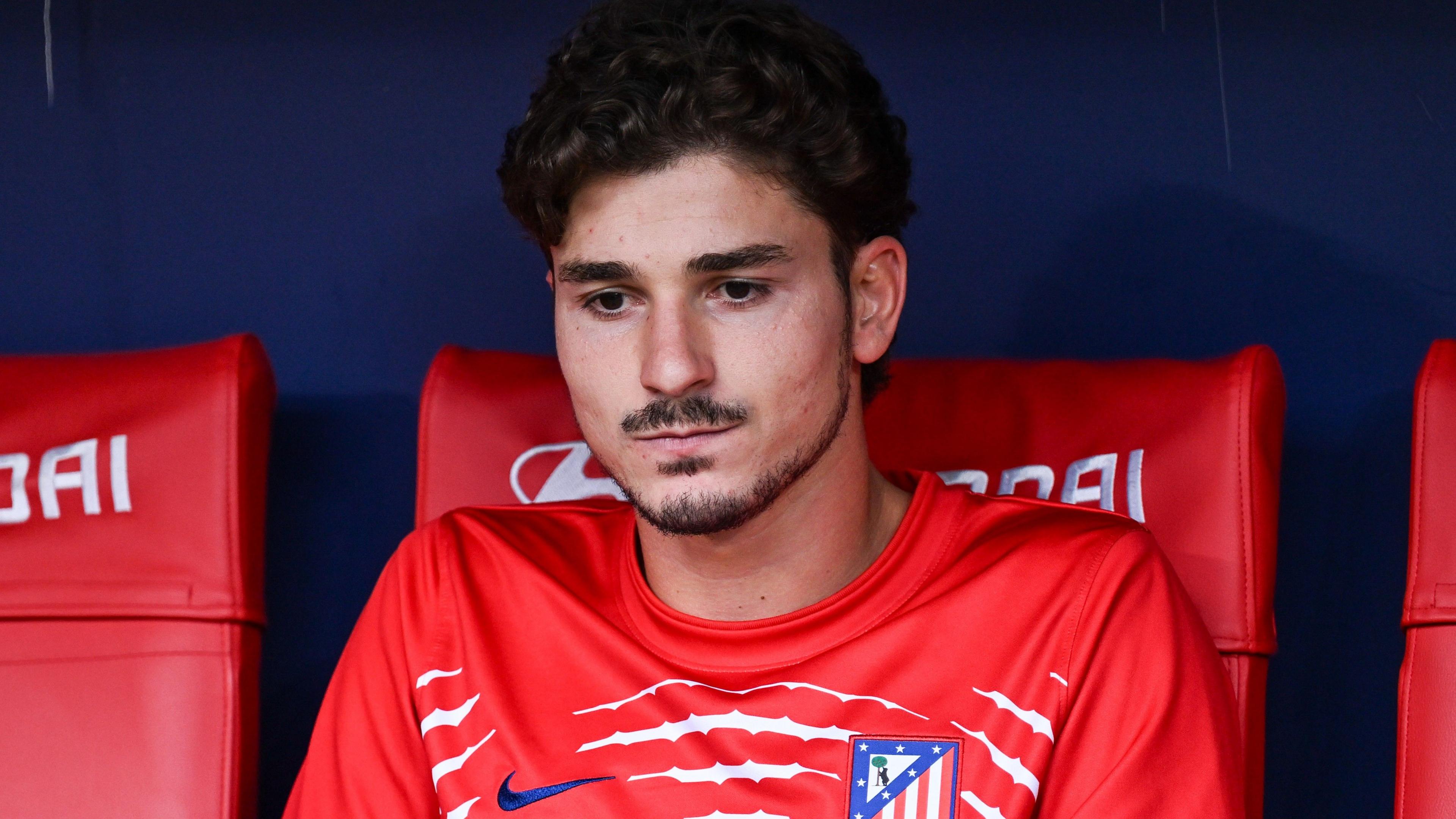
How Alvarez needs to rebuild trust at Atletico
La Liga

How Alvarez needs to rebuild trust at Atletico

By Staff Writer — 3 September 2026

Julian Alvarez made 49 appearances for Atletico Madrid last season, scoring 20 goals

Julian Alvarez’s future at Atletico Madrid has been one of the biggest talking points of the summer.

But now that it is certain the Argentina forward will remain at Atleti until at least the January transfer window, the focus can turn to how the 26-year-old re-establishes himself in Diego Simeone’s side.

With three consecutive away games ahead, Simeone has the opportunity to ease him back into the team - away from the glare of their own fans.

But the bigger challenge for Alvarez may be convincing supporters that his focus is firmly on Atletico, after making clear during the summer that he would have preferred a move to Barcelona.

Alvarez joined Simeone’s Atletico Madrid from Manchester City in August 2024

Throughout the saga Simeone has consistently backed Alvarez publicly, emphasising the forward’s importance to his plans - both as a player and person.

In August, he described him as “one of the players, or the best player, we have offensively” and said he wanted to “build a team around him”, pointing to the forward’s “power, quality, hierarchy and talent”.

That support has continued throughout these past few weeks of uncertainty.

Alvarez missed Atletico’s opening game against Malaga after Simeone said he needed more training following his return to pre-season.

He returned to the Metropolitano for the following match against Villarreal, but it was an uncomfortable night for the Argentina forward. He was booed by the club’s fans when his name was announced, during the warm-up and again when he came on in the second half.

After the final whistle, while his team-mates stayed on the pitch to thank the supporters, Alvarez walked alone down the tunnel.

Simeone later stressed that this was the club’s decision, not the player’s, saying: “The decision was not Julian Alvarez’s; it was the club’s decision to separate him and send him to the dressing room.”

Alvarez then missed three consecutive training sessions because of an illness and was subsequently ruled out of Atletico’s trip to Sevilla.

Simeone confirmed his absence before the match, but reiterated his support for the forward and said he would do everything possible to make him feel important when he returned.

“We will help him because he is an extraordinary player,” he said, while insisting that the club’s approach remained focused on supporting him.

Alvarez eventually returned to full group training on Sunday, putting him back in contention for selection.

Simeone considers his fellow Argentine central to Atletico’s plans, but the forward’s response will now have to come on the pitch.

Atleti have already shown they can cope without Alvarez. In his absence against Sevilla, Simeone moved Alex Baena into a false-nine role, with the Spain international responding with two goals in a 3-1 victory.

Baena’s performance demonstrated that Atletico have other attacking options, but Alvarez remains a different profile and one of the most important players in Simeone’s plans.

With three away games ahead, Simeone can gradually bring Alvarez back into the side and allow him to rediscover his rhythm away from 70,000 Atleti fans.

Real Madrid boss Jose Mourinho was also asked about the situation.

He pointed to Simeone’s unique understanding of both Alvarez and Atletico, saying: “There’s no other manager that knows him better and knows the club better than Simeone.”

Mourinho added: “If a player is not satisfied, by 1 September, when the window is closed, he has to be. Otherwise, he won’t play again until 1 January.”

Perhaps the biggest challenge for Alvarez now is rebuilding his relationship with the Atleti supporters.

Sections of the fanbase have made their feelings very clear, with Alvarez whistled and jeered during the opening weeks of the season.

“It’s completely understandable that Atleti didn’t want to agree to Barca’s terms, just because he wanted to go there,” Atleti supporter Dani said. “It doesn’t just work like that.”

“Atleti wants to compete with the best in La Liga and they can’t just sell our best player directly to our rival for very little.”

From the supporters’ perspective, that frustration is understandable. If your star striker appears to want to leave, particularly if the destination could be one of your biggest rivals, winning back that backing is never going to happen overnight.

“His words and attitude were completely unexpected,” another supporter, Ignacio, said.

“He has probably been badly advised by his agent and those around him.”

“Even if he apologises it is clear he has a desire to leave and, now that the window has closed, it will feel like a forced apology.”

The club paid a record £81.5m to sign him from Manchester City in 2024, giving him a six-year contract and making him one of the biggest investments of Simeone’s tenure.

He has repaid some of that investment with 49 goals and 17 assists in 107 appearances and, for much of his time in Madrid, has enjoyed the support of the fans. The challenge now is to rebuild that connection.

“If he starts scoring goals, people will start feeling anxious,” Dani said.

“But then there’s the fans who never forget. People still haven’t forgiven [Antoine] Griezmann for what he did, and he apologised on the pitch in front of 60,000 people at the end of last season”.

Antoine Griezmann’s departure for Barcelona in 2019 left a sour taste among the Atletico fanbase, but, when he returned two years later, he gradually rebuilt that relationship through his performances and commitment.

By the time he left in 2026, he had won back the majority of the supporters and established himself as one of the club’s most important figures.

His departure, however, leaves Atletico without an experienced leader in attack.

Simeone will look to Alvarez to take on more responsibility - not only by scoring goals - but by leading the press, creating space and bringing others into the game.

He will have little time to find his rhythm before the Champions League begins.

Atletico face a demanding run of fixtures, including away games against Athletic Club, Liverpool and Real Sociedad, before returning home to face Osasuna and then Real Madrid in La Liga.

If Alvarez can reproduce the form that made him such an important figure at Atletico, the events of the summer may gradually fade into the background.

'Humble but ambitious' - the return of fallen giants Schalke
Champions League

'Humble but ambitious' - the return of fallen giants Schalke

By Staff Writer — 3 September 2026

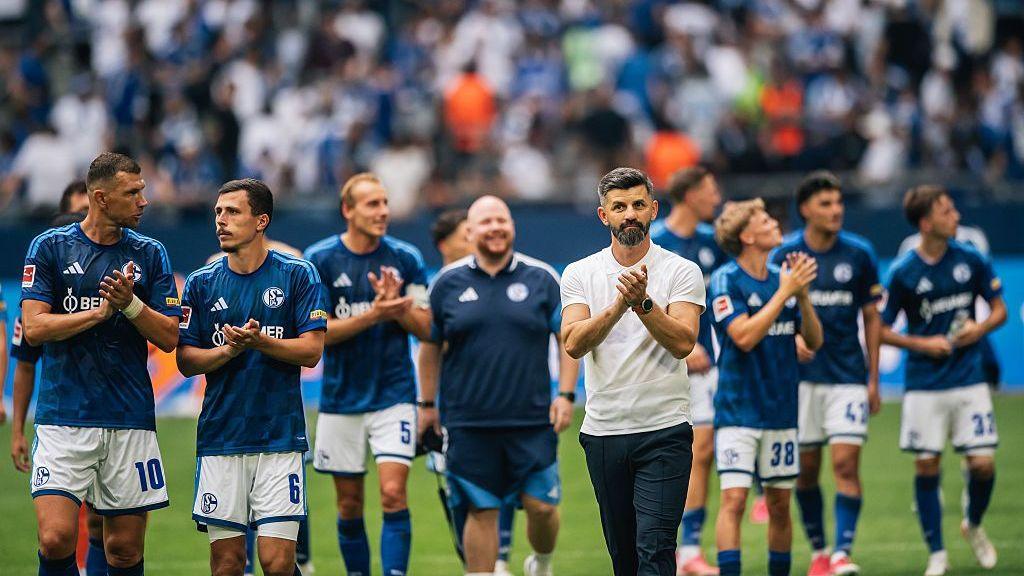
Schalke have experienced two promotions and two relegations in the past six years.

On matchday, even for friendlies, Gelsenkirchen pauses as locals turn their attention to Schalke’s Veltins-Arena.

Everywhere you look, swathes of fans in blue and white are arriving by tram, on foot or by car.

In the team’s first game back in the Bundesliga for three years, 6,000 away fans stayed after the final whistle to support the players despite a 3-0 defeat at Augsburg.

“It’s a kind of religious feeling that people have towards Schalke,” said Professor Frank Eckardt, who grew up in the Schalke-Nord area.

“It feels like people think, ‘OK, we don’t have anything else, but we have Schalke. It’s our club.’”

“If you go to graveyards, for example, you will find that people have Schalke on their graves in one way or the other. So it is really something deep.”

“You can take everything from us, but you will never take Schalke from us. That’s what they really believe.”

When Schalke fell to Bundesliga 2 for the first time in 21 years and insolvency looked a genuine possibility - because of massive debts brought on by rash spending, failure to qualify for Europe and Covid-19 - the only guarantee was the fans would remain.

Despite the threat against the club’s existence, Schalke bounced back to the top flight straight away in 2022.

But that was a false dawn.

A year later they were in the second tier again, and that is where they would stay for the next three seasons, with the first two campaigns showing little hope for the future.

A 10th-placed finish was followed by an even more dismal 14th - only two places above a relegation play-off spot.

German football expert Mark Lovell said: “They suffered with the burden of expectation. They were expected to basically walk the league every season despite having huge financial problems.”

“There’s sympathy for Schalke, but they’ve been their own worst enemies by chasing success and extending themselves too far.”

“They’ve been living beyond their means for many seasons. When you do suffer relegation something has to give, and they haven’t been able to buy their way out.”

“They had to live more to their needs and get rid of their best players, and then sort of start again with a real skeleton type operation.”

Schalke fans fill the 62,000-capacity Veltins-Arena for every home game, with the ultras leading the chants.

After finishing 14th, new figures were brought in - including former Plymouth Argyle manager Miron Muslic - who helped build Schalke’s promotion to the Bundesliga last year.

Robin Haack, who covers Schalke for local newspaper WAV, said: “He is the face of the Schalke promotion.”

“He is the hero because his way of coaching is so powerful. He gave the people the belief back.”

“Nobody knew him before. Some Austrian who was relegated to the third league in England - he must be bad.”

“But he proved all the haters wrong in an incredible way. Fans love him like I’ve never experienced a coach has been loved before.”

Muslic operates with a high-press style and has created a team that represent Gelsenkirchen’s working-class nature with commitment and effort.

“Muslic was the perfect match,” said Haack.

If Muslic was the cover star, working behind the scenes was former director of football at Werder Bremen and Germany international Frank Baumann, who joined Schalke in June 2025.

Andreas Ernst, who also reports for WAV, said: “He had the whole club, but it lay on the ground.”

“They said do whatever you want to do. But with no money. We have a bad team. But come here - a very great club.”

“Frank Baumann did everything out of nothing.”

Lovell said: “At Schalke right now there’s some very intelligent football people behind the scenes. Frank Baumann’s a real top football man, and just a decent person, which Schalke didn’t have.”

Edin Dzeko joined Schalke in January 2025 and scored eight goals in his first 13 games.

Baumann’s most eye-catching signing was former Manchester City forward Edin Dzeko, who joined in January after a torrid spell in Italy with Fiorentina.

He has scored eight goals in 13 games, including two this season in Schalke’s DFB Pokal cup win.

Muslic told BBC’s Euro Leagues podcast: “I grew up in Austria, but I’m from Bosnia. And Edin Dzeko for us is Gary Lineker. He’s our Johan Cruyff. He’s our Franz Beckenbauer. He’s just an idol.”

“He’s 40 years old, and he’s still able to perform. That means he was super professional the last 25 years.”

“That’s why he’s a role model and that’s why he will also have his impact and he will leave also his fingerprints in this upcoming Bundesliga season.”

With his experience at top-flight clubs across Europe, Dzeko will also offer something invaluable to Muslic’s team.

Schalke defender Christian Fuchs told BBC’s More Than The Score podcast: “Where it’s a player like this… there’s so much respect towards him from his team-mates.”

“It’s so important to build a club culture, to hold players accountable, to keep them all in check.”

“Even if it’s a small piece in the bigger puzzle, there is so much value that you need to give to that.”

“Dzeko plays an important part in growing stability in the club.”

Dzeko had been established with every club he has played for, but for others they have had to rebuild their careers with Schalke.

Former Liverpool goalkeeper Loris Karius has questioned multiple times whether to end his career, but has managed to regain a starting spot and become a key figure in Muslic’s team.

Muslic said: “He is the face of this new Schalke, the face of this new resilience, this new mindset.”

“After tough years behind him, he found a new home. He found new trust - like so many other players from Schalke who had some rough moments in their careers.”

“They found a safe haven. And then it was just about, let’s do this together and let’s start from scratch and let’s do it in our way.”

Schalke will need to showcase this new mentality against champions Bayern Munich in their first home game of the season on Saturday, after the Augsburg defeat.

This match will not define Schalke’s season. Neither will the fierce rivalry with Borussia Dortmund. Instead, it will be shaped by every game at the Veltins-Arena, which will be packed with 62,000 passionate fans.

Fuchs said: “I know Dortmund. They don’t admit it, but I’m sure they miss Schalke. Schalke is just a club that in my eyes belong into the Bundesliga and I hope… we’ll see them there for a very long time.”

Many Schalke fans do not have high expectations this season, with some saying they simply need to avoid relegation.

Muslic said: “We know the glory of the past. But we know also the present and the future. We are very humble but ambitious. Right now it’s all about playing another year in the Bundesliga.”

Southend sign forward Omochere on season-long loan
Transfers

Southend sign forward Omochere on season-long loan

By Staff Writer — 3 September 2026

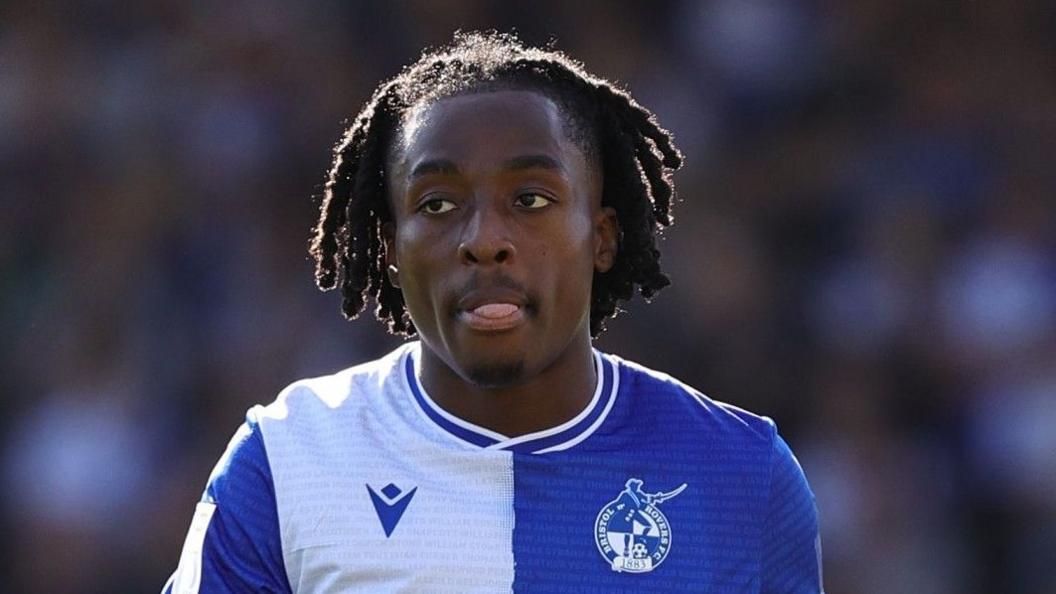
Southend United have signed forward Promise Omochere from League Two side Bristol Rovers on a season-long loan.

The 25-year-old started his career with Irish club Bohemians, before joining Fleetwood Town in 2022.

He scored 13 times in 71 appearances for the Cods before joining Rovers in 2024, where he has made 39 appearances in all competitions, scoring six goals.

“We’re delighted to welcome Promise into our squad,” said Shrimpers boss Kieron Dyer.

“His physical profile gives us a different option up front and brings another dimension to our play and firepower.”

Are Arsenal taking a risk in not signing a world-class forward?
Premier League

Are Arsenal taking a risk in not signing a world-class forward?

By Staff Writer — 2 September 2026

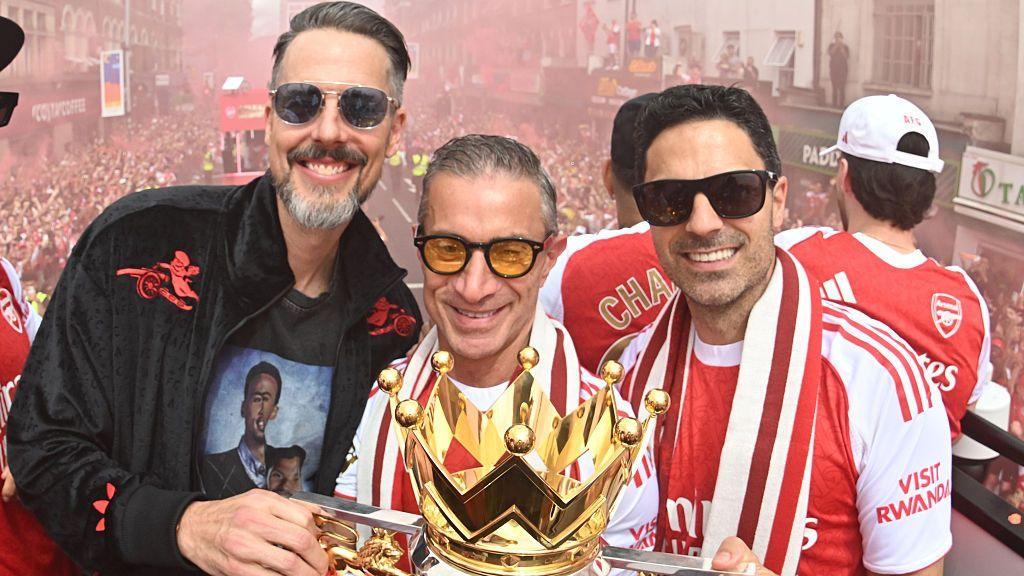
Andrea Berta (centre) replaced Edu as Arsenal’s sporting director in 2025

“Very ambitious, very fast, and very smart.”

That was manager Mikel Arteta’s aim for Arsenal’s transfer dealings following their defeat by Paris St-Germain in the Champions League final in May.

The Gunners won their first title in 22 years last season by seven points and did not lose a game in the Champions League during normal time, with their only loss in the competition coming to Luis Enrique’s side on penalties.

But it was clear coming into the summer transfer window that the club were looking for a game-changing attacker to lift their forward line.

Viktor Gyokeres - a £64m signing last summer from Portuguese side Sporting - scored 21 goals in his first season for Arsenal but his performances still raised questions about whether he is the best fit for Arteta’s side going forward.

The same debate was posed on the left wing with Leandro Trossard’s form dipping after starting the season well and Gabriel Martinelli, despite scoring six goals in the Champions League campaign, scoring just once in the league.

And now both of those players have left the club.

But finding an attacker who could elevate a squad that almost won a domestic and European double proved difficult.

Julian Alvarez played for Atletico Madrid against Arsenal in the Champions League semi-finals in May

Arsenal want to be one of the best clubs in the world.

In an interview with the Times, chief executive Richard Garlick said that joining the world’s super-clubs is “the goal - that’s the ambition”.

In that same interview, Garlick acknowledged that the “pool of players is smaller now than it was a few years ago if we’re going to improve”.

And unfortunately for the Gunners, they have found that out this summer.

Sporting director Andrea Berta is known for speaking to multiple targets at once while preparing the deals simultaneously.

The Gunners went into this window with interest in Morgan Rogers, Bradley Barcola, Julian Alvarez and Vinicius Jr.

They didn’t sign any of them.

Arsenal’s pursuit of Vinicius Jr turned public and was shaped around his contract situation at Real Madrid.

Ultimately, the Spanish club offered him a bigger package than they had done before Arsenal’s interest stepped up.

But inside the club, there was a period where they thought they were going to be successful in bringing one of the best wingers in world football to north London.

Questions will be posed as to why the club did not go big for Rogers, but Arsenal stuck to their valuation of £80m before Chelsea then paid £117m for the former Aston Villa forward.

That left Julian Alvarez as the only available target in the window after Liverpool succeeded in bringing in Bradley Barcola.

Arsenal always had reservations about paying the fee needed to get Barcola too.

It appeared Alvarez’s only way out of Atletico Madrid was Arsenal, after Atleti were adamant that they would not negotiate with Barcelona.

However, Alvarez returned to training with the Spanish side and, despite Arteta’s best efforts laying out plans to the player, the deal did not come off.

Arsenal showed the strength of their squad in their win over Aston Villa on Monday night.

They brought in Newcastle captain Bruno Guimaraes for £75m, Ezri Konsa from Aston Villa (£55m), turned Piero Hincapie’s loan deal into a permanent one (£34.5m) and signed Christos Tzolis from Club Brugge for £34m.

Tzolis struggled in the win but has already impressed in the Community Shield victory over Manchester City and the opening day Premier League win over Coventry.

Guimaraes is being described by some as one of the signings of the window, and Konsa was statistically the best defender in the league for ground duel success (73.1%) and passing accuracy (95%) last season.

Konsa, although he brings the number of senior defenders in Arsenal’s squad to eight, was brought in because of the injuries to William Saliba and Jurrien Timber.

A big part of Arsenal’s window has been who they have let go too.

Gabriel Martinelli is close to completing a move for around £60m to Al-Hilal, which would be a record sale for the club.

Leandro Trossard has moved to Besiktas (£15.3m), while Christian Norgaard was sold to Everton (£7m).

The main worry from supporters is that they have let two forwards go who play on the left wing and brought in just one to replace them.

There is no denying that Arsenal wanted a game-changing attacker this summer - if there was one available.

Not signing one this window does leave them with the chance to act again in January or wait completely until next summer to try to bring in a new forward.

But there will be uncomfortable conversations about why there hasn’t been one during this window, even if the football leadership team are content with the business the club has done.

Questions will of course be asked of Arteta, Berta and co-chair Josh Kroenke as to why, after Arsenal’s success, such an attractive club weren’t able to get one of their targets over the line.

However, there is no denying that Arsenal’s squad is one of the best in Europe. Their bench for the win over Aston Villa contained nine full internationals with two of those - Merino and Zubimendi - World Cup winners.

Gabriel Jesus has moved to Barcelona for £12.8m, and although he was not an integral part of Arsenal’s team because of selection and fitness issues, he still made 27 appearances in all competitions, scoring six goals.

With Martinelli and Trossard both gone, there will be more opportunity for Eberechi Eze to play from the left wing, a position he shone in at former club Crystal Palace.

Eze played in some of the biggest games of Arsenal’s last campaign on the left wing and put in an impressive appearance in that role in the win over Villa on Monday too.

Last season, Kai Havertz missed large parts of the campaign with injury, while Mikel Merino, another option to play at striker, missed a chunk of the season too but both have started this season fully fit.

Those injuries last season meant that Gyokeres had to lead the line for long periods without back-up in his first campaign with Arsenal, but despite that test, it does not take away that the Swedish international’s suitability is still in question.

It is also intriguing that Gyokeres has not played a minute of the opening two Premier League matches so far.

Arsenal are still looking like the early season favourites and have the potential to defend their title, but criticism surrounding the lack of a new forward will be tough to avoid if goals start to become hard to come by.